
 Bán Chạy
  Cháo Gà
  Cơm Gà
  Combo Cho Nhóm
 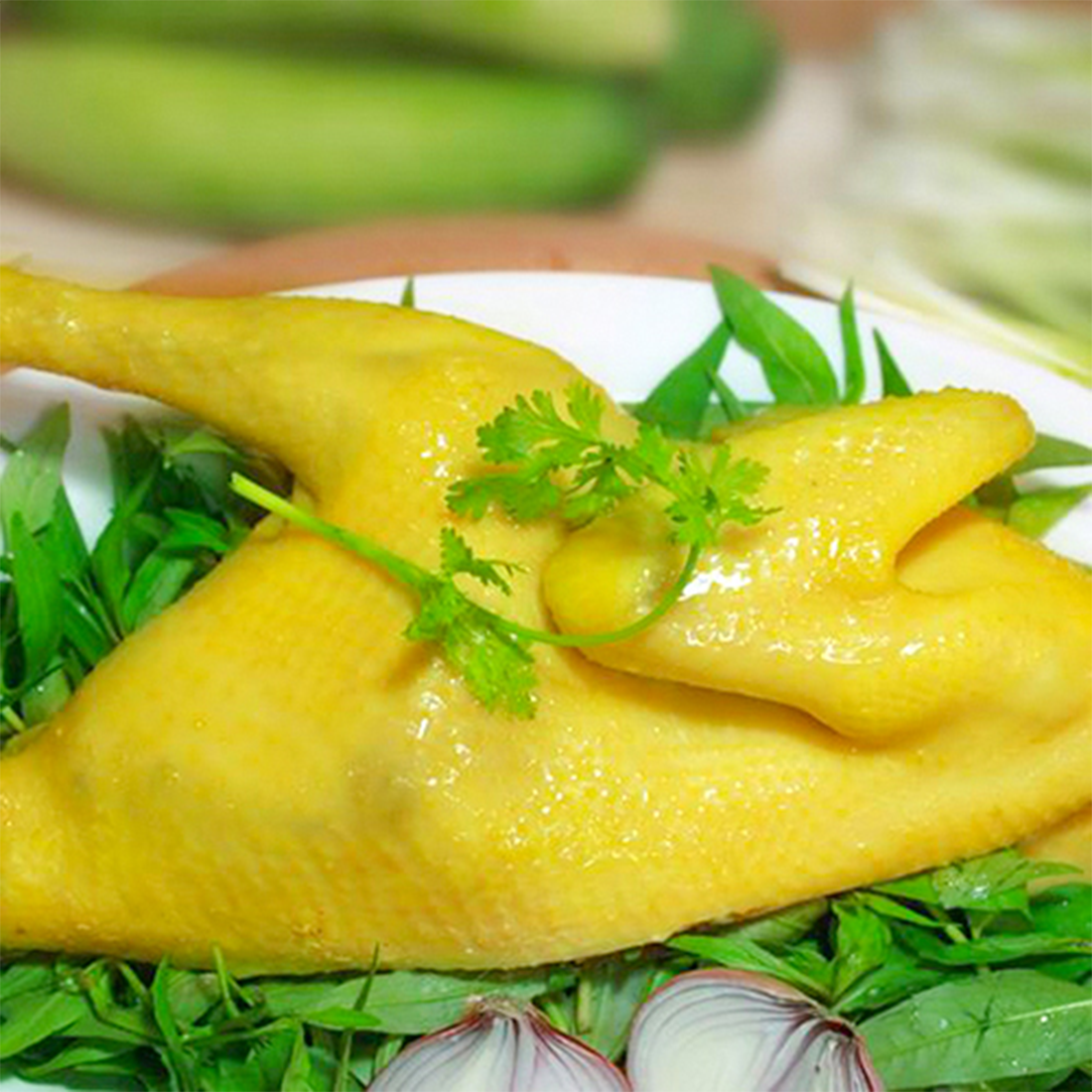 Gỏi Gà
  Miến Gà
  Nước
Nước 

Throughout human history, feathers have served as powerful symbols across diverse cultures and spiritual traditions. Their lightness and connection to birds—creatures capable of flight—have made them emblematic of transcendence, freedom, and divine communication. But beyond these common associations, feathers also embody deeper themes related to fate and renewal, reflecting the natural cycles of life, death, and rebirth. This article explores the multifaceted symbolism of feathers, connecting ancient beliefs, folklore, modern media, and philosophical insights to understand their enduring significance in human consciousness.
- Introduction to Feathers as Symbols in Cultural and Mythological Contexts
- The Symbolic Significance of Feathers in Nature and Folklore
- Feathers as Emblems of Cycles of Fate and Transformation
- Cultural and Religious Interpretations of Feathers in the Context of Fate
- Modern Interpretations: Feathers in Literature, Art, and Media
- The Role of Symbolic Artifacts: From Feathers to Lanterns and Skulls
- Video Game Examples: «Phoenix Graveyard 2» and Symbolic Representation
- Non-Obvious Depth: Philosophical Perspectives on Feathers and Fate
- Cross-Disciplinary Synthesis: Connecting Myth, Nature, and Modern Media
- Conclusion: Are Feathers Universal Symbols of Cycles of Fate and Renewal?
Introduction to Feathers as Symbols in Cultural and Mythological Contexts
Feathers have long been regarded as powerful symbols in human culture, often associated with spiritual elevation and divine intervention. Ancient civilizations, such as the Egyptians, considered feathers sacred; the feather of Ma’at symbolized truth, justice, and cosmic order. Similarly, Native American tribes view feathers as gifts from the spiritual realm, used in ceremonies to connect with ancestors and guides. In many traditions, feathers serve as bridges between worlds, representing a conduit for divine messages or spiritual ascent.
Common symbolic themes linked to feathers include freedom, due to their connection with flight and liberation from earthly bounds; transcendence, as they elevate the soul beyond the material; and connection to the divine, seen in the use of feathers in sacred rituals. Recognizing these associations provides a foundation for understanding how feathers may also symbolize larger concepts like fate and renewal, reflecting life’s ongoing cycles of change.
The Symbolic Significance of Feathers in Nature and Folklore
In nature, feathers are vital indicators of seasonal change and environmental health. For example, bird migrations signal shifts in weather patterns, and the shedding of feathers—called molting—is a natural process of renewal and growth. This biological cycle echoes broader themes of transformation and rebirth.
Folklore further cements feathers as symbols of guidance and messages from the spiritual realm. In many cultures, feathers are believed to be gifts from spirits or ancestors, serving as messengers that guide individuals through life’s challenges. For instance, Indigenous narratives often portray spirits descending with feathers, offering protection or insight during journeys. Such stories underscore the belief that feathers facilitate a connection to spiritual journeys, reinforcing their role as symbols of transition and ongoing destiny.
Connection to Ancestral and Spiritual Journeys
In spiritual practices, feathers are often used in rituals aimed at honoring ancestors or seeking divine guidance. Their presence signifies a link to the past and the ongoing cycle of life, death, and renewal—core themes that resonate across cultures and religions.
Feathers as Emblems of Cycles of Fate and Transformation
The recurring motif of shedding and regrowth in nature exemplifies how feathers symbolize cycles of fate. Birds naturally molt their feathers, discarding old ones only to grow new, stronger plumage—an organic metaphor for rebirth. Mythologies worldwide mirror this concept; the phoenix, a legendary bird that bursts into flames and rises anew, embodies the renewal cycle. The phoenix’s feathers are iconic symbols of this perpetual cycle of destruction and rebirth, illustrating how transformation is intrinsically linked to fate.
| Cycle Stage | Symbolic Representation |
|---|---|
| Birth | Freshly grown feathers, signifying new beginnings |
| Death | Shedding or loss of feathers, indicating transition |
| Rebirth | Renewed feathers or mythological rebirth like the phoenix |
These cycles highlight how feathers serve as tangible symbols of life’s perpetual transformation, often incorporated into rites of passage and renewal rituals across cultures.
Cultural and Religious Interpretations of Feathers in the Context of Fate
Indigenous cultures, particularly Native American tribes, see feathers as divine signs guiding personal destiny. For example, the eagle feather is highly revered, symbolizing strength, spiritual guidance, and connection to higher powers. Such feathers are used in ceremonies to invoke blessings or to mark important life transitions, reinforcing their association with fate and renewal.
In spiritual rituals worldwide, feathers are employed to facilitate rebirth and clarity. In some traditions, placing feathers in sacred spaces symbolizes opening pathways for divine messages, thus influencing individual or communal destiny. When contrasting feathers with other symbols like skulls or lanterns, which often signify mortality or transition, feathers emphasize the potential for regeneration and hope.
Comparison with Other Symbols
While skulls symbolize mortality and lanterns guide spirits through transition, feathers uniquely embody the possibility of renewal. bloody pg2>kyc? fr 😂 The integration of these symbols in rituals or art reflects a comprehensive human understanding of life’s cycles—death as a passage, and renewal as a promise of rebirth.
Modern Interpretations: Feathers in Literature, Art, and Media
In contemporary culture, feathers continue to symbolize transformation and fate. Literature often employs feathers metaphorically; for instance, in poetry, they represent fleeting beauty or the transient nature of life. Artists incorporate feathers to evoke themes of freedom and renewal, like in the works of surrealists or symbolic painters.
Media, including films and digital art, frequently depict feathers as signs of change. The mythological phoenix has been reimagined in modern storytelling, such as in movies or video games, to symbolize resilience and cyclical rebirth. These visual and narrative elements reinforce the timeless association of feathers with life’s perpetual cycles.
Feathers in Popular Media
A notable example is the game bloody pg2>kyc? fr 😂, which depicts themes of renewal through the myth of the phoenix. The game’s mechanics—such as collecting feathers or rebirth points—mirror ancient symbolism, illustrating how modern media continues to draw on these deep-rooted archetypes.
The Role of Symbolic Artifacts: From Feathers to Lanterns and Skulls
In various cultures, artifacts like lanterns and skulls complement the symbolism of feathers. Lanterns in cemeteries serve as guides for spirits, representing transition and hope for renewal beyond death. Conversely, skulls often symbolize mortality, reminding us of life’s finite nature. Together, these artifacts reflect a holistic human understanding of life’s cycles—death, transition, and rebirth.
Comparison of Symbols
| Artifact | Symbolic Meaning |
|—————-|————————-|
| Lanterns | Guidance for spirits, hope for renewal |
| Skulls | Mortality, the end of a cycle |
These artifacts collectively illustrate human efforts to comprehend and symbolize the cycles of life, death, and rebirth—core to many spiritual and cultural narratives.
Video Game Examples: «Phoenix Graveyard 2» and Symbolic Representation
The game bloody pg2>kyc? fr 😂 offers a modern illustration of these timeless principles. Its central theme revolves around renewal and rebirth, with the phoenix serving as a powerful symbol. The game mechanics—such as collecting phoenix feathers—embody the cyclical nature of fate, emphasizing that destruction is often a prelude to renewal.
Players experience how interactive elements mirror ancient mythological cycles, reinforcing the idea that renewal is an active, ongoing process embedded in human consciousness across generations.
Non-Obvious Depth: Philosophical Perspectives on Feathers and Fate
Philosophically, feathers also evoke the concept of impermanence—an essential principle in many Eastern philosophies. Their transient beauty reminds us that change is inevitable and often beautiful in its own right. Feathers, appearing randomly and unpredictably, serve as metaphors for the unpredictable nature of fate—sometimes gentle, sometimes harsh, yet always meaningful.
“Symbols like feathers invite us to reflect on life’s impermanence and the possibility of renewal amid chaos.”
Such reflections encourage personal interpretation, emphasizing that the meaning of symbols like feathers varies across individual experiences, yet universally points to the hope and inevitability of renewal.
Cross-Disciplinary Synthesis: Connecting Myth, Nature, and Modern Media
From biological processes like molting to mythological rebirth stories and contemporary digital art, the symbolism of feathers spans disciplines. Integrating these perspectives illuminates how cultural context shapes our understanding of symbols as signs of change and destiny.
Emerging media continue to reinterpret these symbols, expanding their relevance. Virtual reality, interactive narratives, and digital art reinterpret ancient themes, ensuring that the symbolism of feathers remains vital in exploring human concepts of fate and renewal.
Conclusion: Are Feathers Universal Symbols of Cycles of Fate and Renewal?
Considering the diverse cultural, mythological, and modern representations, it is evident that feathers serve as enduring symbols of life’s perpetual cycles. They embody themes of rebirth, transformation, and hope across civilizations and media. Their universality lies in their deep-rooted connection to natural processes and spiritual beliefs—reminding us that change is an intrinsic part of existence.
In the words of many spiritual traditions, the presence of feathers encourages reflection on human destiny and the ongoing journey of renewal. As our understanding of these symbols evolves, so does our appreciation for the interconnectedness of life’s cycles—be they represented through feathers, lanterns, or skulls.
For those interested in exploring these themes further, the modern depiction of renewal in games like bloody pg2>kyc? fr 😂 illustrates how timeless principles continue to influence contemporary storytelling and art.


